



TL;DR: key affiliate marketing trends for 2026
In 2026, the affiliate marketing space will be under the influence of these trends:
- AI-driven automation affects all parts of the strategy and puts the focus on data for decision-making
- Influencer and affiliate marketer roles converge, community-building becomes an important skill
- Video and short-form content motivate customers to make purchases
- Social commerce on platforms like TikTok and Instagram removes friction
- Mobile experiences become more important than desktop ones
- Privacy concerns and the phaseout of cookies stimulate affiliate marketers to collect first-party data and pay closer attention to attribution
- SEO strategies shift from keyword-first to intent and expertise-led to account for AI in search
- Performance-based and recurring commission models are becoming more popular
- Content marketing for affiliates now prioritizes trust and authenticity
- Affiliate strategies go multi-channel, connecting blog, email, and social media
- Affiliate marketing is expanding globally, countries in Latin America, Southeast Asia, and Africa are becoming emerging markets
The future of affiliate marketing: what’s changing in 2026
In 2026, the affiliate marketing industry shifts to different content formats and approaches. More and more customers browse from mobile devices, engaging with video content and buying without leaving social media platforms. This puts an emphasis away from traditional keywords-heavy SEO to multichannel and community-first tactics.
At the same time, AI and automation help affiliate marketers make data-driven decisions and simplify some of the routine tasks. Customers react to an overflow of AI-generated content and changes in search with a demand for authenticity. Trust, expertise, and authority building have now become one of the top priorities for both new and established marketers.
Top affiliate marketing trends for 2026
Follow the latest trends in affiliate marketing to make 2026 your best year yet. We’ll cover the most important developments, from tools to use to content formats, and share insights from travel creators from our affiliate network.
1. AI-powered automation and data-driven affiliate marketing

What it means: AI in affiliate marketing can help automate routine processes, improve strategy with predictive analytics, and make content more targeted thanks to personalization.
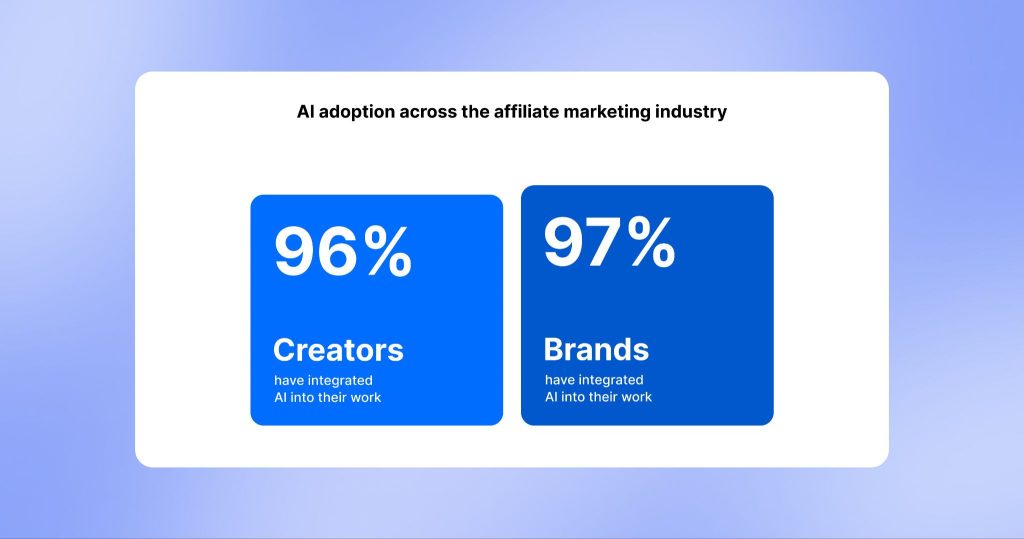
Why it matters in 2026: According to an Impact report, 96% of affiliate marketing creators adopted AI into their workflows. AI affects every part of the affiliate marketing strategy, from content creation to analytics. Automation speeds up work, while data insights improve decision-making, which ultimately increases conversions and affiliate marketers’ income.


Jessie Fiesta from Jessie on a Journey and Epicure & Culture blogs, the founder of Travel Blog Prosperity and NYC Photo Journeys
Jessie uses AI not for content writing but for repurposing across channels and other smaller tasks. The travel influencer also warns fellow creators about the costs of overreliance on AI tools:
One thing I want people to understand: whatever skill you value, don’t outsource it to AI. Writing, storytelling, editorial judgment – if you hand those off, you lose the ability to do them yourself. And in a world where AI content is everywhere, the one differentiator you have is that yours is genuinely human.
How to use it:
- Use automation software for A/B testing and conversion optimization
- Set up automated email campaigns based on the customer journey and actions, for example, welcome and retargeting sequences
- Find AI tools for your needs, whether it’s alt text, email drafts, visual or video creation, predictive analytics, or blog ideas and outlines
- Personalize your emails and landing pages with dynamic content and behavioral data
| Travelpayouts Drive is an AI-powered monetization engine that helps you earn more, on autopilot. Drive automatically converts regular links into affiliate ones, adds links and widgets where your readers are clicking the most, shows offer previews, and follows up with those who are ready to book. The platform is completely free and customizable – you choose which features to enable and on what pages. |
2. Influencer, creator, and community-led affiliate models
What it means: Affiliate marketing is converging with influencer marketing. Brands now value engaged communities more than high follower count, which gives smaller creators more opportunities.


Bri from Bucketlist Bri and the Nomad in Japan blogs, the founder of the Bootstrap Blogging course and community
Bri shares that community-building is one of the most important skills for creators to master:
Not follower accumulation – actual relationship-building with a small, engaged group. I’ve had girls come on multiple trips with me because of what I’ve built. Bloggers in my course talk about it to their own audiences without any incentive. That kind of loyalty doesn’t come from posting frequency or follower count.
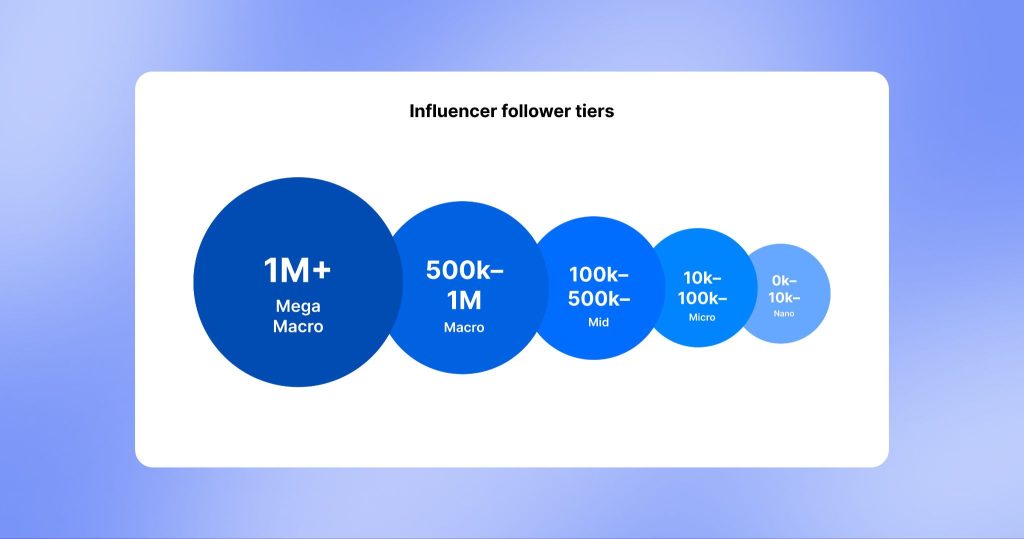
Why it matters in 2026: According to the same Impact report, a quarter of brands get a higher ROI out of partnering with influencers as compared to other marketing channels. This is the reason why they’ll keep investing in this affiliate marketing strategy. When choosing who to partner with, brands now opt for several nano (1,000–10,000 followers) and micro (10–100,000 followers) influencers instead of celebrity or macro endorsements. Smaller creators have engaged, trusting communities, and lower prices, which matter more and more when the audience is ad-weary. Both brands and affiliate creators build communities to strengthen relationships and get higher conversions.
How to use it:
- Create social media communities in your niche
- Actively engage with your audience and run online and offline community events for your followers
- Reach out to brands for partnerships to add to your affiliate income
- Find influencer, affiliate, or brand communities to exchange expertise and get new content ideas
| Creator communities are also one of the ways affiliate marketing coaches monetize their expertise. For example, successful travel blogger Millie Austin runs The Creators Society – a paid group for content makers with weekly brand partnership opportunities, content ideas, and more. |
3. Video and short-form content driving conversions
What it means: Focus on video marketing to reach your audience via their preferred content format.
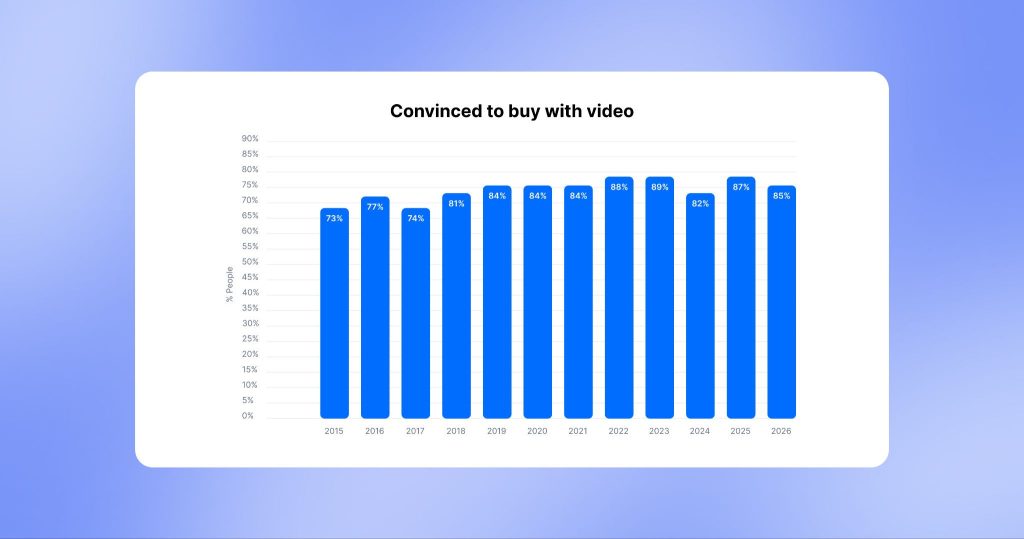
Why it matters in 2026: Text-based content is no longer the most effective and prominent. Major social media platforms prioritize video content, and it gets the most engagement. Not only do people now watch more than they read, but they also buy from video content. According to Wyzowl’s 2026 statistics, watching a video convinced 85% of people to buy a product or service. EMARKETER also found that video affiliate ads are among the least intrusive. Plus, video platforms bring you ad revenue on top of your affiliate marketing earnings.
How to use it:
- Film short videos and post on YouTube, TikTok, and Instagram
- Create unboxing and product demo livestreams with discount codes for the viewers
- Post POV content to immerse the viewers
| Katie from KatieCafTravel.com pivoted from just writing blogs to creating videos. Now, she has over half a million TikTok followers and gets an average of $1,000–$2,000 in ad revenue from a single video. Read our article about how Katie started in affiliate marketing. |
4. Social commerce and in-platform affiliate sales

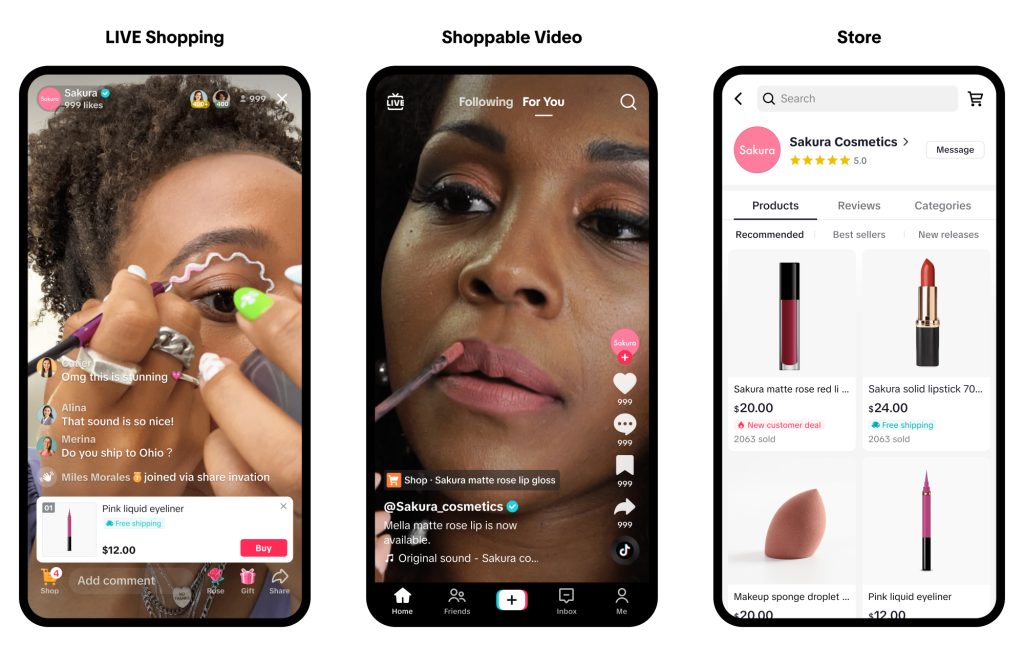
What it means: Built-in shopping features on social media platforms make the customer journey easy and seamless, while affiliate marketers get automated attribution.
Why it matters in 2026: Social commerce, or selling products directly on social media via TikTok Shop, Instagram, or YouTube Shopping, is one of the biggest аffiliate marketing trends. With these platforms, product discovery and purchase happen within one platform, increasing conversions. On top of that, live-stream promotions are more convincing and engaging for the viewers, so they shop more.
How to use it:
- Set up a TikTok shop with your favorite products to get affiliate commissions
- Run live product demos and Q&As
- Share exclusive promo codes during lives
5. Mobile-first affiliate experience
What it means: More and more people browse and shop from their mobile devices. Affiliate marketers who optimize their websites and content with this in mind will get more opportunities.
Why it matters in 2026: Unbounce found that in some industries, mobile traffic is seven times bigger than desktop traffic. Yet conversions from mobile still lag – because not everyone thinks mobile-first. Affiliate marketers who can close this gap will enjoy bigger conversions and a happier audience.
How to use it:
- Test and optimize the mobile version of your website for load speed and a smooth user experience
- Set up an AMP on your website for even quicker loading
- Use buttons in key places to make it easier to click on affiliate links
6. First-party data, privacy, and advanced attribution models
What it means: With the third-party cookies phaseout, the emphasis is on owned channels and privacy-focused data collection. Plus, customer journeys now span multiple platforms and touchpoints, making accurate attribution a priority.
Why it matters in 2026: On average, it takes customers up to six touchpoints to make a purchase, per an Akeneo survey. Coupled with the ever-growing limitations on tracking and privacy regulations, running a data-driven strategy becomes harder. To succeed, affiliate marketers need to track results without cookies and account for multi-platform buyers’ journeys. For example, a customer may start from an Instagram post, view an email and a YouTube video, and end up making a purchase from a link in a blog post.
How to use it:
- Prioritize first-party data collection via surveys and quizzes
- Focus on tracking from affiliate links, promo codes, emails, quizzes, digital products, etc.
- Set up multi-platform and multi-touch attribution
7. SEO evolution and AI-driven search (GEO, EEAT, intent)
What it means: Search turns AI, making the tried and true SEO tactics less reliable. Content marketing for affiliates now needs to prioritize intent instead of keywords, GEO and AEO instead of just SEO, and focus on topical expertise.
Why it matters in 2026: Recently, Google has announced its recent AI search update, which is a major shift for affiliate marketers relying on organic traffic. Plus, the share of AI tools in desktop search continues to grow, per the recent Datos State of Search report. Organic traffic strategies should shift to GEO and AEO – optimization for AI overviews and AI search. Plus, affiliate marketers should concentrate on expertise, experience, authoritativeness, and trustworthiness (EEAT) while also thinking about customer intent.
Jessie Fiesta from Jessie on a Journey and Epicure & Culture blogs, the founder of Travel Blog Prosperity and NYC Photo Journeys
Jessie emphasizes how helpful and reader-friendly content can secure both organic search appearances and AI overview placements:
I’ve moved away from rigid keyword optimization toward writing what makes sense for my reader, and that’s actually working better than following keyword tool recommendations. For AI discoverability specifically, I focus on making content more scannable: answering the post’s main question early in the introduction, using more bullet-point formatting within sections, and structuring each section so the key answer appears at the top. These help with AI citations and also just make for better content.
How to use it:
- Update your content to make your older posts perform better
- Create expert content on topics you’re genuinely knowledgeable in
- Think search intent-first, don’t write just for keywords
Jessie also notes the importance of social proof to build trust and authority as an affiliate creator:
For travel content: the strongest responses come from content with high specificity and genuine EEAT – either from a local authority angle or from having done something hard to access. My New York City content performs consistently because I am a local: I’m a licensed guide, I have 165+ five-star TripAdvisor reviews, I’ve been featured on BBC Travel. When people are deciding whether to book a custom NYC itinerary, that credibility does what AI can’t.
8. Performance-based and recurring commission models
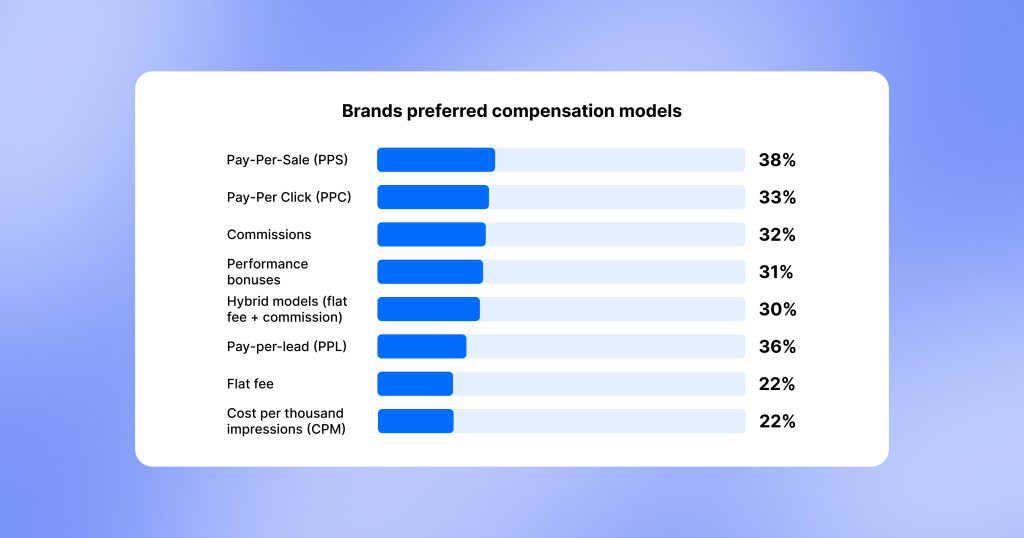
What it means: Affiliate marketing compensation models change, with recurring commissions and performance-based bonuses becoming more widespread.
Why it matters in 2026: Subscription-based products gain popularity and are projected to grow at a 11% rate, based on Global Market Insights’ data. This, in turn, makes recurring commissions one of the trends in affiliate marketing. The Impact report indicates that flat fees are the least offered commission model, while commissions and performance bonuses are in the top four.
How to use it:
- Explore subscription services’ affiliate programs, like SaaS tools, subscription box services, or courses
- Calculate which commission model works best for you
9. Authenticity and trust-based marketing

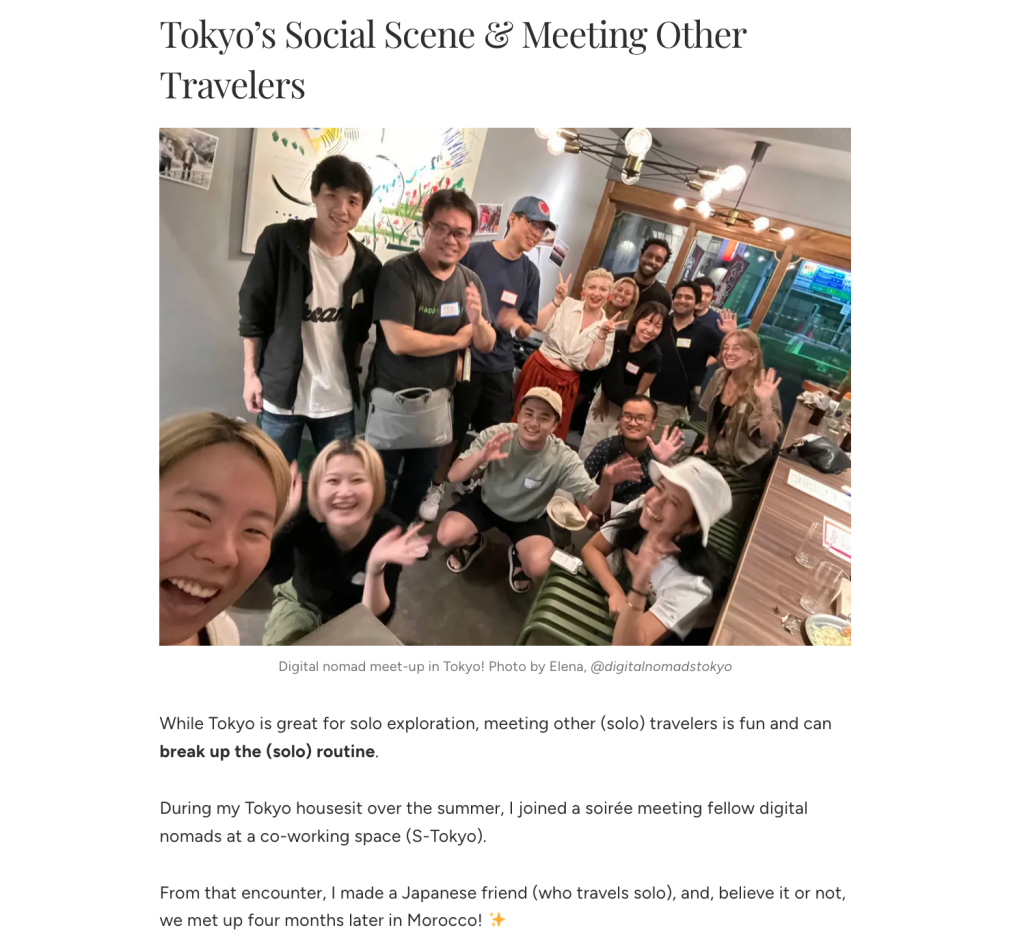
What it means: Audiences are drawn to affiliate creators who are transparent about their monetization strategies and share their genuine insights.
Why it matters in 2026: AI tools can produce texts and videos in seconds, and the internet is oversaturated with them. People crave humanness – authentic storytelling, personal experiences, and raw, unpolished content. Affiliate marketers need to build trust with the audience, which will eventually lead to higher conversions.
Bri from Bucketlist Bri and the Nomad in Japan blogs, the founder of the Bootstrap Blogging course and community
Personal, authentic content has been Bri’s staple, and she shares that this should be the direction affiliate bloggers should take:
As AI content floods every search result, genuinely personal and experience-based content becomes rarer and therefore more valuable. There’s more room now for a blogger who writes about a lesser-known Greek island or a small city in Kazakhstan with real enthusiasm than there is for another Positano listicle.
Jessie Fiesta from Jessie on a Journey and Epicure & Culture blogs, the founder of Travel Blog Prosperity and NYC Photo Journeys
Jessie echoes the same sentiment:
Posting something spontaneously – the thing I’d text to a friend – is outperforming polished, planned content. Authenticity is cutting through, especially as audiences grow more skeptical of AI-generated material.
How to use it:
- Be clear and transparent about your affiliate marketing
- Don’t produce content just to earn a commission, be authentic about what you promote
- Post lifestyle, unedited content to connect with your audience
10. Multi-channel affiliate strategies (beyond SEO)
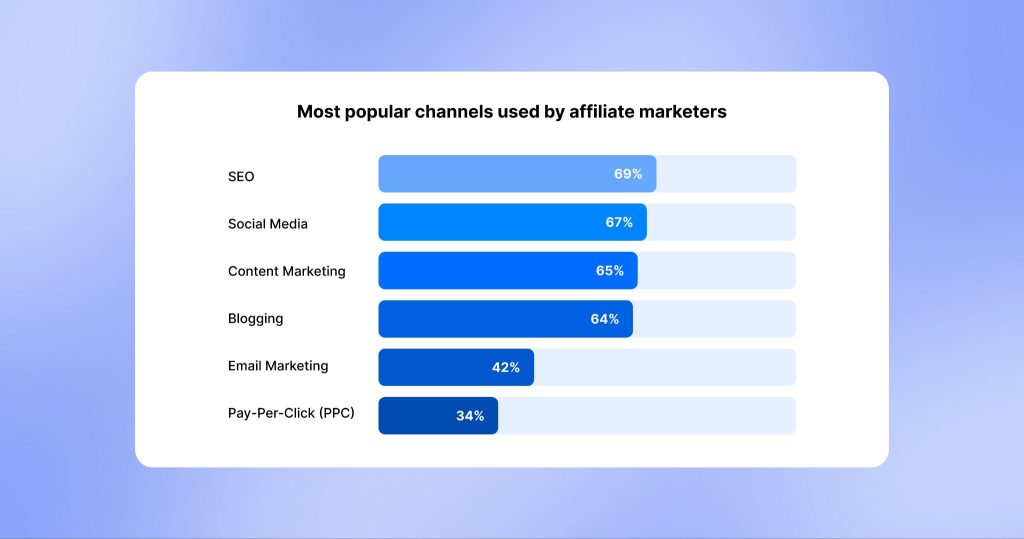
What it means: As organic traffic becomes unpredictable, affiliate marketers use several platforms simultaneously to reach their audiences. Owned channels, like email, are now a non-negotiable part of the strategies, and sometimes, even the most important one.
Why it matters in 2026: Blogs and websites continuously lose traffic because of AI search. Successful affiliate marketers use a combination of social media, email, and external communities to compensate for losses in SEO. Keyword-based automations powered by tools like Manychat or Chatfuel help marketers bring social media followers to blog posts with affiliate links. Email becomes one of the top channels for direct communication with customers, bypassing any Google or social media algorithm fluxes.
Jessie Fiesta from Jessie on a Journey and Epicure & Culture blogs, the founder of Travel Blog Prosperity and NYC Photo Journeys
Jessie has embraced email-first content creation and now plans for her newsletter first, not the blog:
I’ve been saying this for eight years. If you don’t have a list, stop what you’re doing and start building one. Even if you have two subscribers, email them. Those are the people who click your affiliate links, buy your products, and show up for you when search traffic dips.
How to use it:
- Start building your email list
- Use automation to lead your social media followers to your website and email subscription form
- Explore social media platforms beyond Instagram, for example, try out Pinterest affiliate marketing
11. Global expansion and emerging markets
What it means: The affiliate marketing industry expands internationally. It’s a big opportunity for marketers who can adapt the messaging for local markets while maintaining a consistent brand image.
Why it matters in 2026: North America isn’t the only growing affiliate marketing region anymore. In fact, Latin America, Africa, and other regions show almost the same growth rate – 8-12%, according to Post Affiliate Pro. China, India, Japan, and other Asia-Pacific countries are growing faster than Europe. For local affiliate marketers, it’s a chance to work with global businesses and help them expand, as localization and culturally relevant messaging remain major challenges.
How to use it:
- Reach out to global brands entering your local market
- Position yourself as a local expert and engage with local audiences to build trust
- Create separate marketing channels for different audiences
- Localize your content: links, currencies, language, topics, etc.
How to use affiliate marketing trends in 2026: practical strategy
Want to benefit from the best affiliate marketing trends? We have three tips for you:
- Prioritize the trends. Don’t attempt to implement everything at once. Find a trend you believe to be the most impactful in your case and start there.
- Combine marketing channels. Using several channels is one of the most important trends, and you need to make sure your online presence and content stay consistent. If you’re changing something about your approach on social media, don’t forget that your blog should also reflect that.
- Build a long-term strategy. Each change you make to your strategy should be part of a structured, long-term vision. Think of how the affiliate marketing trends you follow translate into not only immediate, but also future results.
Jessie Fiesta from Jessie on a Journey and Epicure & Culture blogs, the founder of Travel Blog Prosperity and NYC Photo Journeys
As a closing remark, here’s a skill Jessie believes you need to continue growing as an affiliate marketer:
The ability to adapt without completely panicking – which is genuinely difficult right now.
Affiliate marketing statistics for 2026: market size, growth, and insights
Get a broader look at the state of the affiliate marketing industry in 2026 with these key statistics:
- In 2025, the global affiliate market was valued at $17-18.5 billion. In 2026, it’s expected to grow by $1.5-3 billion with a compound annual growth rate of 15.2% (Post Affiliate Pro).
- Most e-commerce businesses already have affiliate programs, and by 2026, this share is projected to reach 90% (Post Affiliate Pro).
- Over half of businesses plan to slightly increase their affiliate marketing budgets, and 21% plan to increase them significantly (Impact).
- For 74% of brands, affiliate marketing generates 11-30% of their total revenue (Impact).
- Mobile is a key affiliate marketing channel with 50% of affiliate traffic and 70% of conversions (Post Affiliate Pro).
- Video marketing increases, with 91% of businesses using it, and 82% stating it brings a good ROI (Wyzowl).
FAQ about affiliate marketing trends
What are the latest affiliate marketing trends?
The latest affiliate marketing trends include multi-channel affiliate marketing, AI and automation adoption, influencer and community-first affiliate strategies, increase of video and mobile affiliate marketing, SEO evolution, focus on customer privacy and content authenticity, emergence of global markets and recurring and performance-based commission models.
Is affiliate marketing still profitable in 2026?
Yes, affiliate marketing is still profitable in 2026. Brands increase their spending, and affiliate marketers’ earnings range from $1,000 to $100,000+ a month, depending on the level of experience.
Which affiliate marketing trends should beginners focus on?
Beginners should focus on multi-channel affiliate marketing strategies that unite SEO-driven blogs, social media, and owned channels, like email. Another important trend is authenticity – affiliate marketing newcomers need to build trust with their audiences early on.
How is AI changing affiliate marketing?
AI influences all parts of affiliate marketing strategies, from content creation and traffic sources to analytics and attribution. Adapting to these changes is an important success factor in 2026.
Final thoughts: the best affiliate marketing trends to focus on in 2026
Affiliate marketing is changing, and so should your strategy. Follow the best affiliate marketing trends and start with a thorough website audit before adopting a multichannel approach. Prioritize transparency, authenticity, and personal experience in your content to connect with your audience regardless of the platform.
Use AI and automation to your advantage with Drive. Turn on smart monetization and get more revenue from your existing traffic while helping your audience get the most relevant travel offers.